
Wood Grain Kitchen Cabinets in Virginia Beach: Balancing Brick, Light Surfaces and Metal
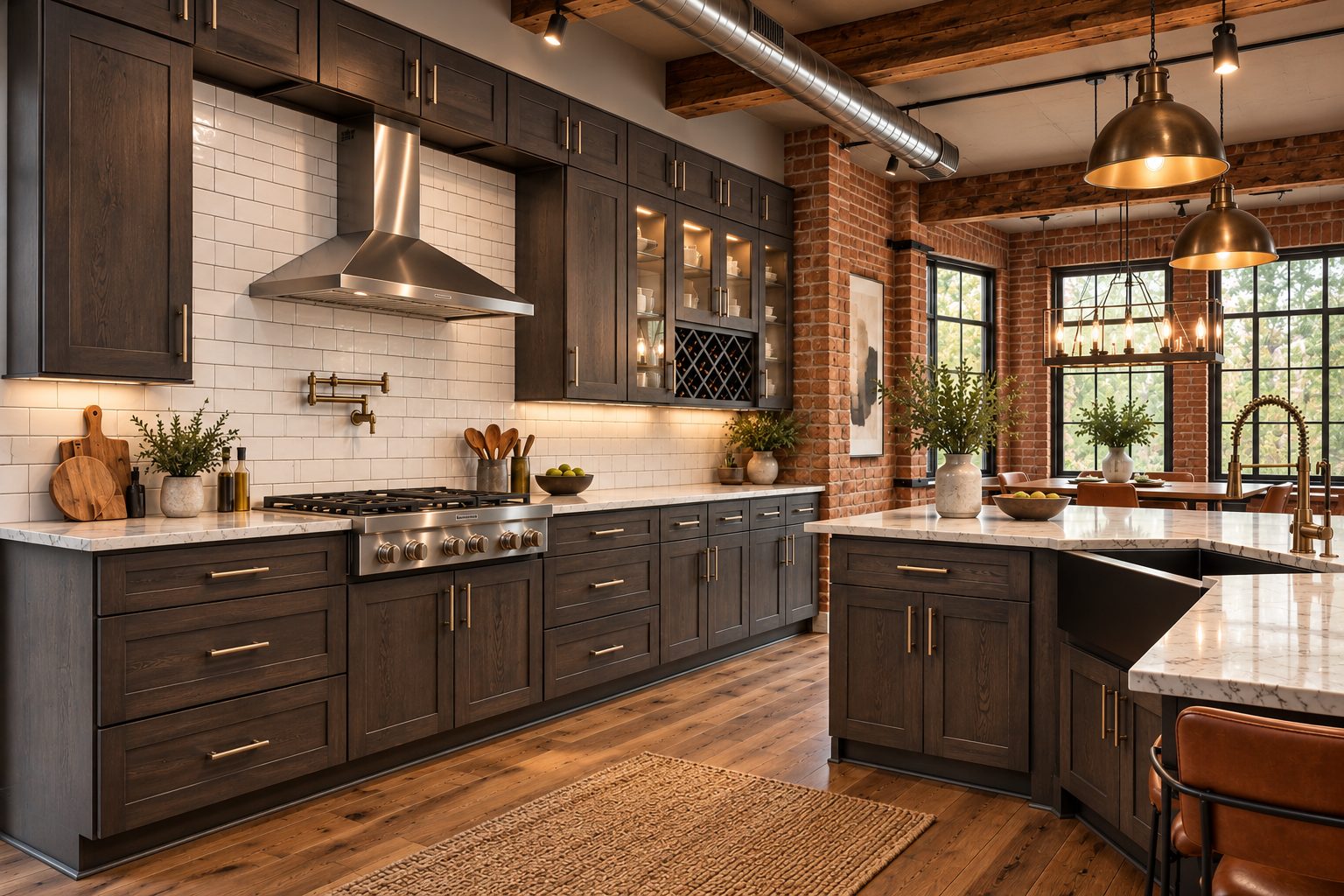
S1 Ash Grey kitchen design inspiration with visible grain, brick, light tile and warm metal accents.
How do you combine wood grain kitchen cabinets, exposed brick and metal details without making every surface compete? For Virginia Beach designers, contractors and cabinet dealers, a useful approach is to choose a leading texture and give the remaining materials clear supporting roles. That creates a direction the client can understand before individual selections multiply.
The S1 Ash Grey loft-style kitchen inspiration brings this question into focus. The cabinetry shows visible grain, while brick walls, ceiling beams, wood flooring and metal fixtures add their own patterns. Light countertops and a white tile backsplash provide quieter areas between them. The result offers a starting point for a residential kitchen palette, whether or not the project has an actual loft setting.
Give each material a role
Start the presentation with the surface the client wants to notice first. If S1 Ash Grey cabinetry is the feature, treat the grain as an active pattern rather than a flat grey background. A cabinet sample should sit beside the proposed brick, flooring and countertop samples so the design team can compare texture as well as color.
This does not require every other surface to be plain. Instead, decide which materials repeat across the largest areas and which act as accents. A strongly patterned countertop, varied brick and pronounced floor grain may all appeal individually, yet tell different stories together. Reducing the visual activity of one broad surface can make the cabinet finish easier to appreciate.
Use light surfaces to separate darker elements
In the supplied image, the light backsplash creates a readable boundary between upper and lower cabinetry. The pale counters also separate the dark cabinet fronts from the working surfaces. These are useful composition choices to test when clients want dark grey kitchen cabinets but worry about the room feeling visually dense.
Compare a restrained backsplash with a busier alternative on the same elevation. Include the grout appearance because repeated joints are part of the pattern. Then review how much countertop veining will be visible on the perimeter and any island. The aim is to distribute contrast deliberately, rather than making every material the focal point.
Coordinate metal by prominence, not by counting finishes
A loft-style kitchen may include a stainless hood, warm metal pulls, black window frames and decorative pendants. Trying to make all of them identical can distract from a stronger question: which metal should lead? In this image, the warm hardware and pendants repeat enough to create a connection, while the hood remains a distinct working element.
For a client presentation, separate large metal features from small accents. Review the hood and major fixtures first, then the pulls and decorative lighting. A repeated accent can connect different zones without requiring every item to match. Confirm actual finish samples; terms such as brass, bronze and gold do not guarantee the same appearance across suppliers.
Keep the grain visible in the design presentation
Use the S-Series collection to verify S1 Ash Grey, then review an actual finish sample with the client. Avoid replacing its grain with a solid grey swatch on the material board. That shortcut can make the proposed cabinetry look much flatter than the intended visual direction and can change the balance of the entire palette.
Ask that project renderings preserve the intended texture at a readable scale. They are communication tools rather than approval of exact grain placement. Confirm any product-specific expectations with the supplier instead of promising that each front will reproduce the inspiration image. The finish name alone should not be used to identify a wood species.
Test the palette with one controlled change
Consider a hypothetical Virginia Beach kitchen using S1 Ash Grey, brick and a light counter. If the client finds the combination too busy, keep the cabinet selection fixed and compare two backsplash choices. If the metal feels disconnected, compare hardware samples while holding the other surfaces constant. Changing everything at once makes it difficult to identify what improved the design.
For builders and dealers presenting repeatable packages, record the selected cabinet finish alongside the supporting materials and acceptable alternatives. That keeps the design intent understandable if another supplier’s fixture or tile is later proposed. Any substitution should be reviewed in the full palette rather than approved by a similar product name.
Common questions about this kitchen direction
Does industrial-style cabinetry mean a commercial kitchen cabinet system?
In this article, industrial describes the residential design aesthetic shown in the inspiration image. Commercial suitability requires separate product verification and should not be inferred from the look.
Must a loft-style kitchen use black hardware?
No. The warm metal accents in this image offer another direction. Compare their prominence against the cabinet grain and brick, then choose the combination that supports the client’s intended room.
Source the Virginia Beach cabinet package
Explore wholesale kitchen cabinets in Virginia Beach with L&C Cabinetry and discuss S1 Ash Grey for your next project. Bring the cabinet preference, material board and layout so the conversation connects the product selection with the overall design. Confirm the cabinetry and any separately sourced glass, decorative storage, fixtures and finishes before turning inspiration into an order.
Explore Virginia Beach wholesale cabinetry · View the S-Series collection · Contact the Virginia Beach team
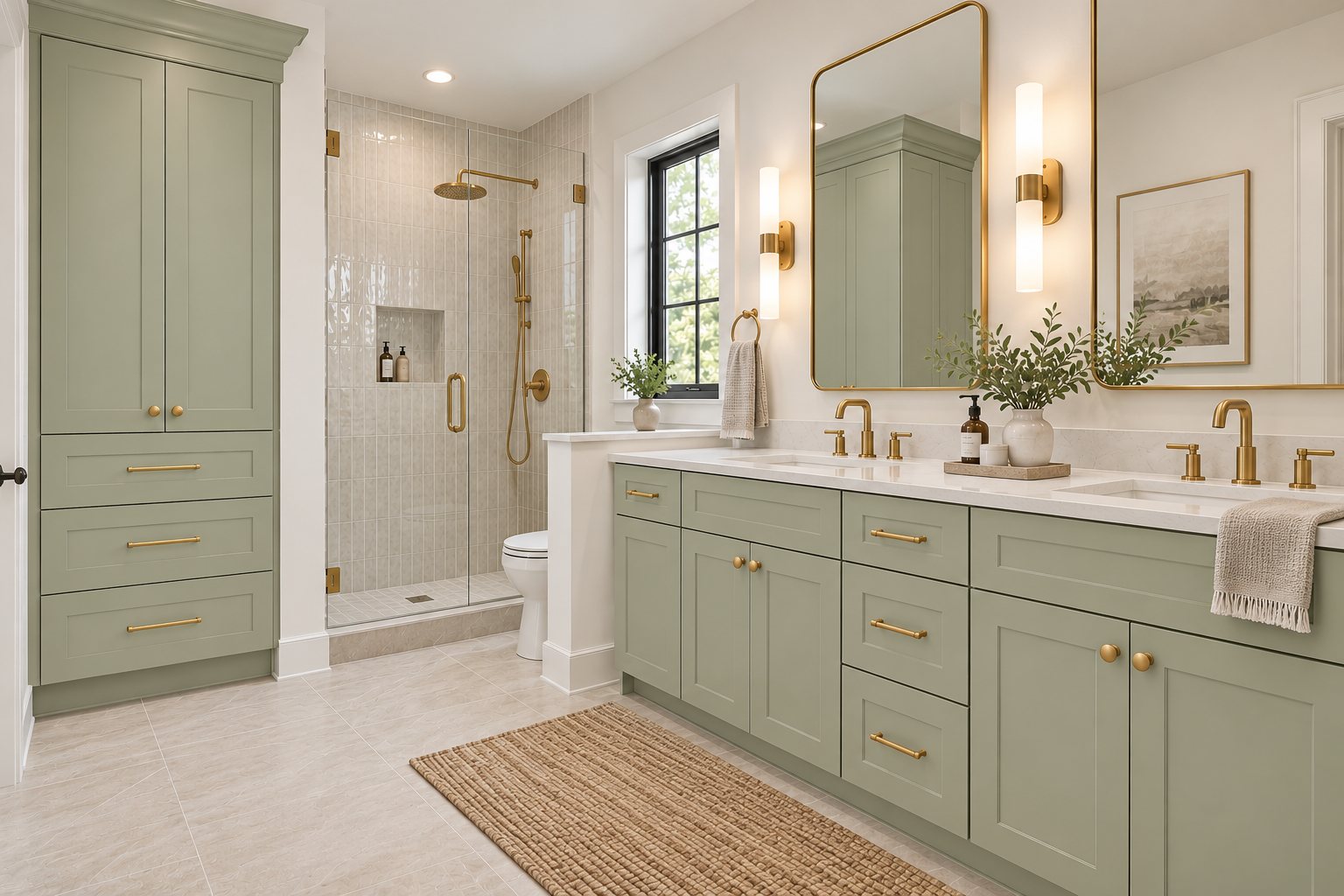
Double Vanity Storage in Virginia Beach: Planning Cabinets for a Shared Bathroom
Two sinks do not automatically create two useful storage areas. A shared double vanity works better when the cabinet layout gives each user a place for…
Read article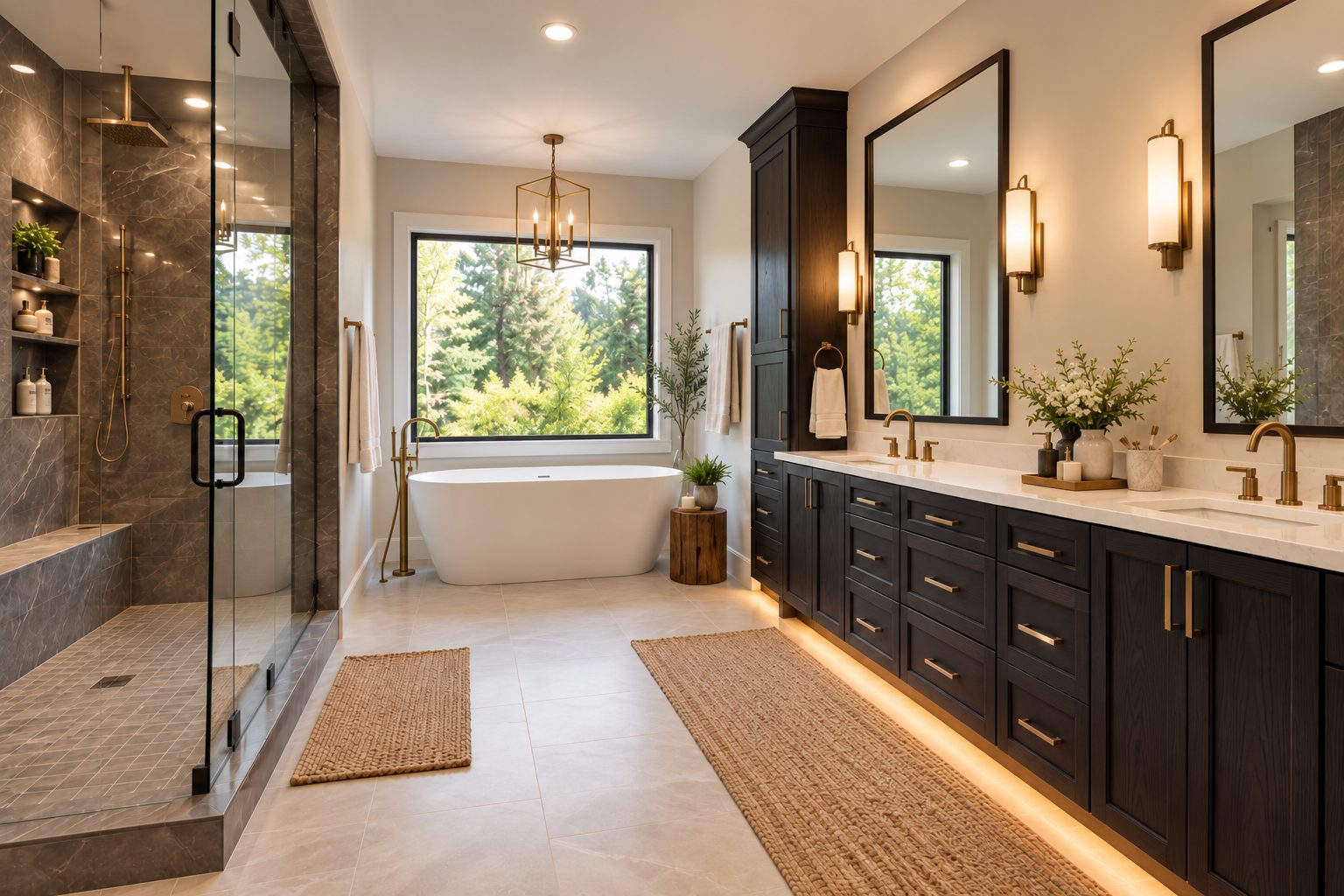
Dark Bathroom Cabinets in Virginia Beach: Planning Vanity and Linen Storage Together
A vanity and a linen cabinet handle different storage needs. The vanity can keep everyday items near the sink, while taller storage can hold towels, extra…
Read article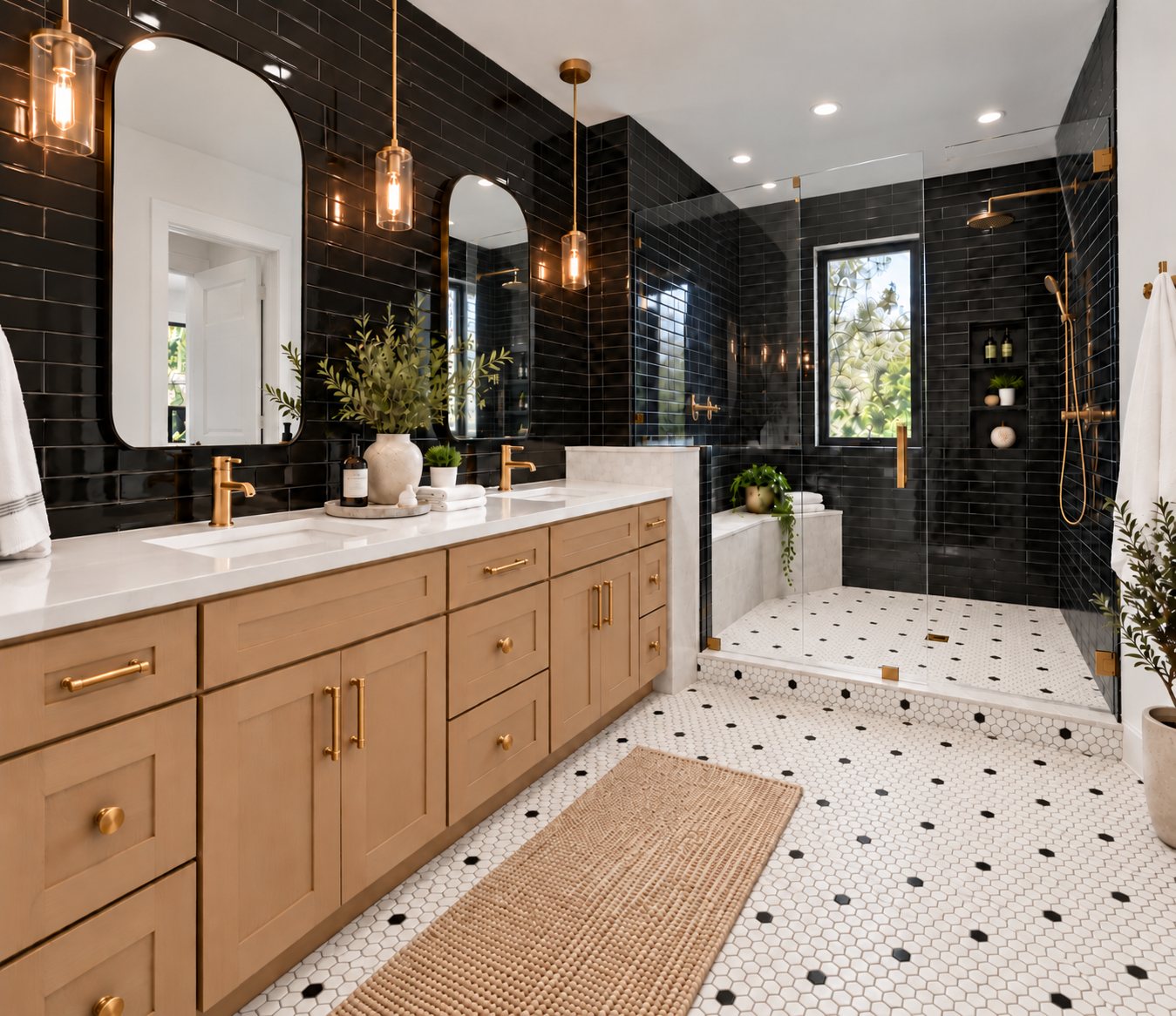
Bathroom Vanity Hardware in Virginia Beach: Mock Up Knobs and Pulls Before Drilling
Cabinet hardware becomes a permanent part of the vanity once the installer drills the mounting holes. On a Virginia Beach bathroom project, approving an…
Read article